
Placenta Encapsulation
Placenta encapsulation is a postpartum practice in which the placenta is prepared, dehydrated, and placed into capsules. Some families consider it for personal or cultural reasons.
Health benefits are not established, and preparation does not eliminate infection risks. Learn about the evidence and discuss this practice with your licensed care provider before making a decision.
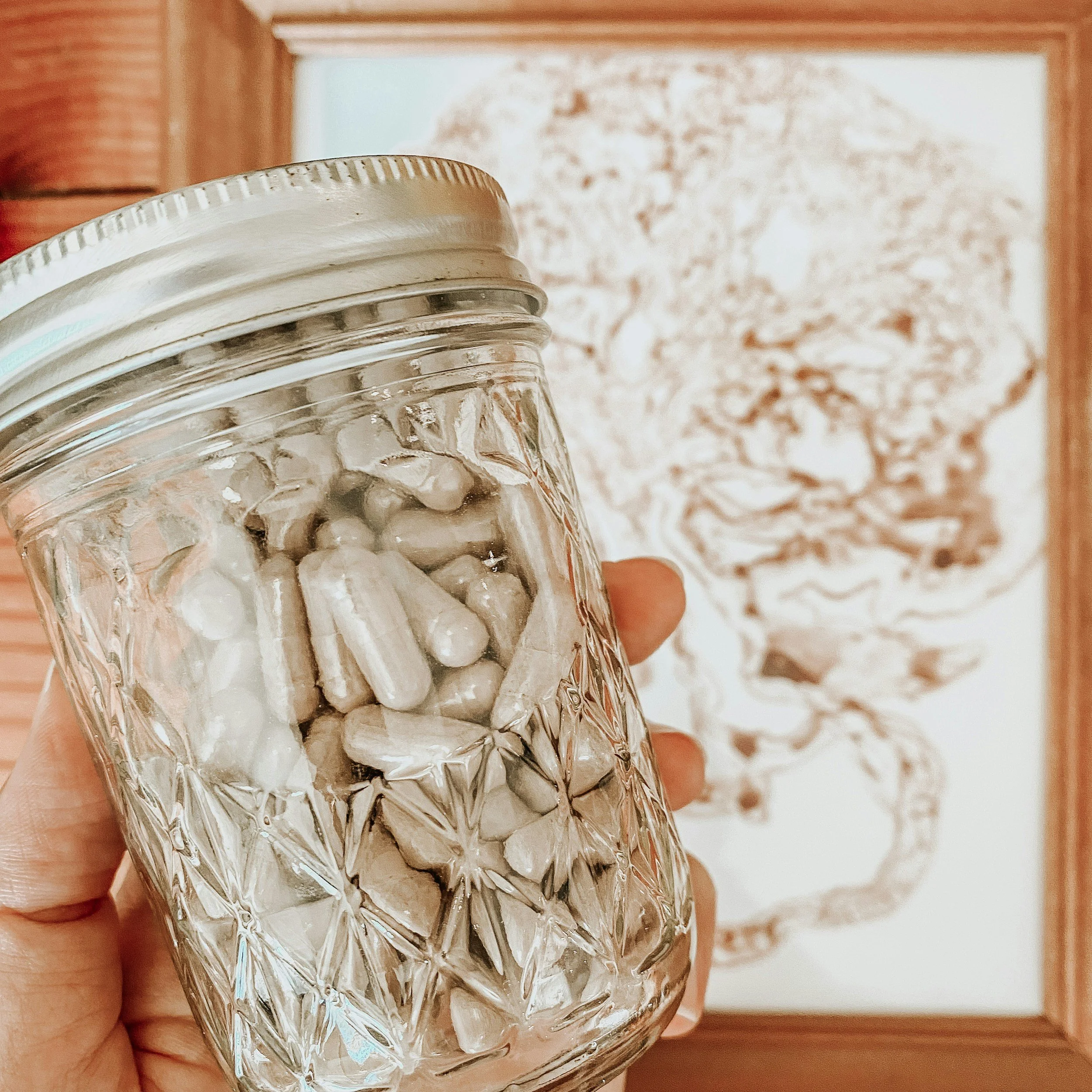
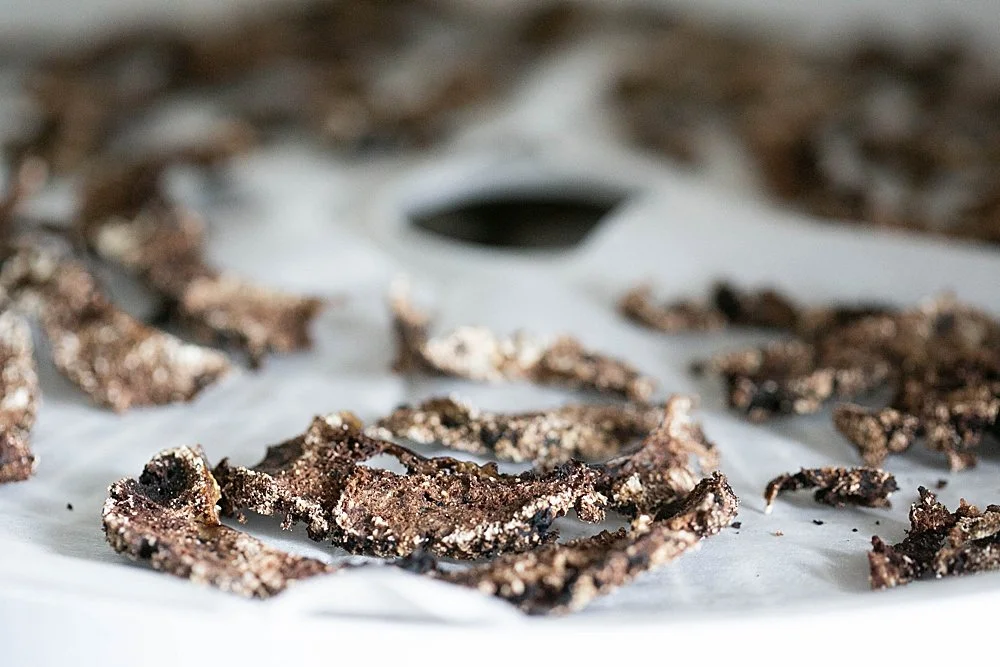
Placenta Encapsulation
The placenta supports your baby during pregnancy. After birth, families may choose to honor it through a keepsake, a print, or a personal ritual.
Full Bloom respects the meaning this choice can hold for your family and encourages informed decisions about postpartum practices.
Considering This Practice
Scientific evidence does not establish placenta capsules as a treatment for low iron, mood changes, hormonal shifts, fatigue, or milk supply.
Encapsulation does not reliably remove infectious pathogens. The CDC advises avoiding placenta capsule ingestion because contaminated capsules can pose infection risks.
Discuss postpartum recovery, feeding concerns, and any symptoms with your licensed care provider. Doula support complements your clinical care.